
ANFF Delivers: 2026 Casebook Submissions
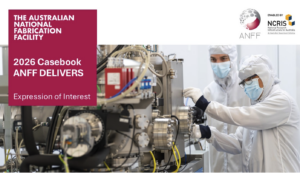
ANFF is now calling for expressions of interest as it prepares for the publication of its 2026 casebook. The 2026 edition “ANFF DELIVERS” will highlight how ANFF‑enabled projects are translating capability, access and expertise into real outcomes across different stages of innovation, from foundational research through to emerging technologies and practical applications.
The 2026 Casebook will consist of full-page case studies, similar in style to the 2024 Casebook. View the 2024 Casebook here.
If you would like to be considered for inclusion in the ANFF 2026 Casebook, please submit your EOI here.
The deadline for submission is Wednesday 13 May 2026.
2026 ANFF-VIC Image of the Year Competition
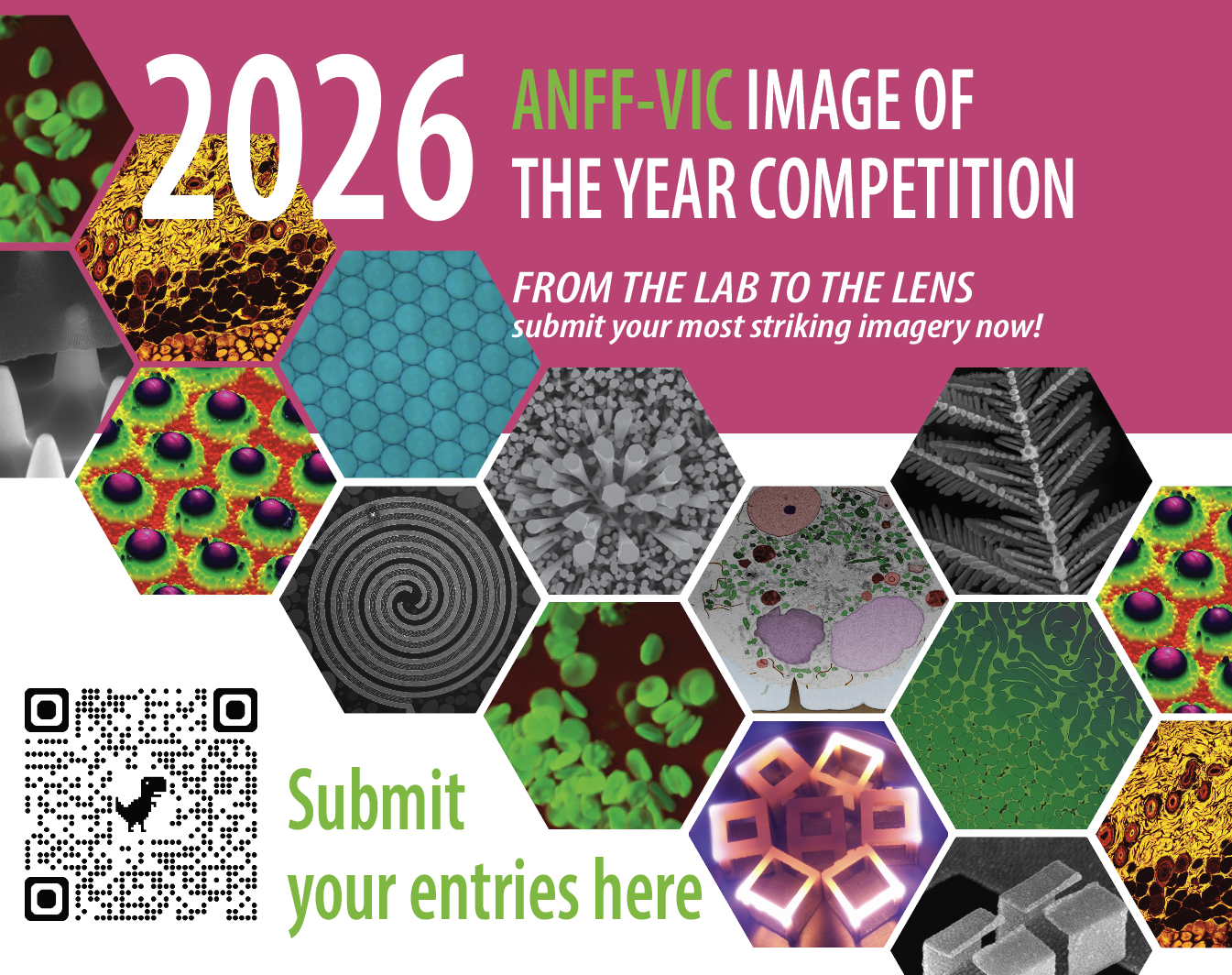
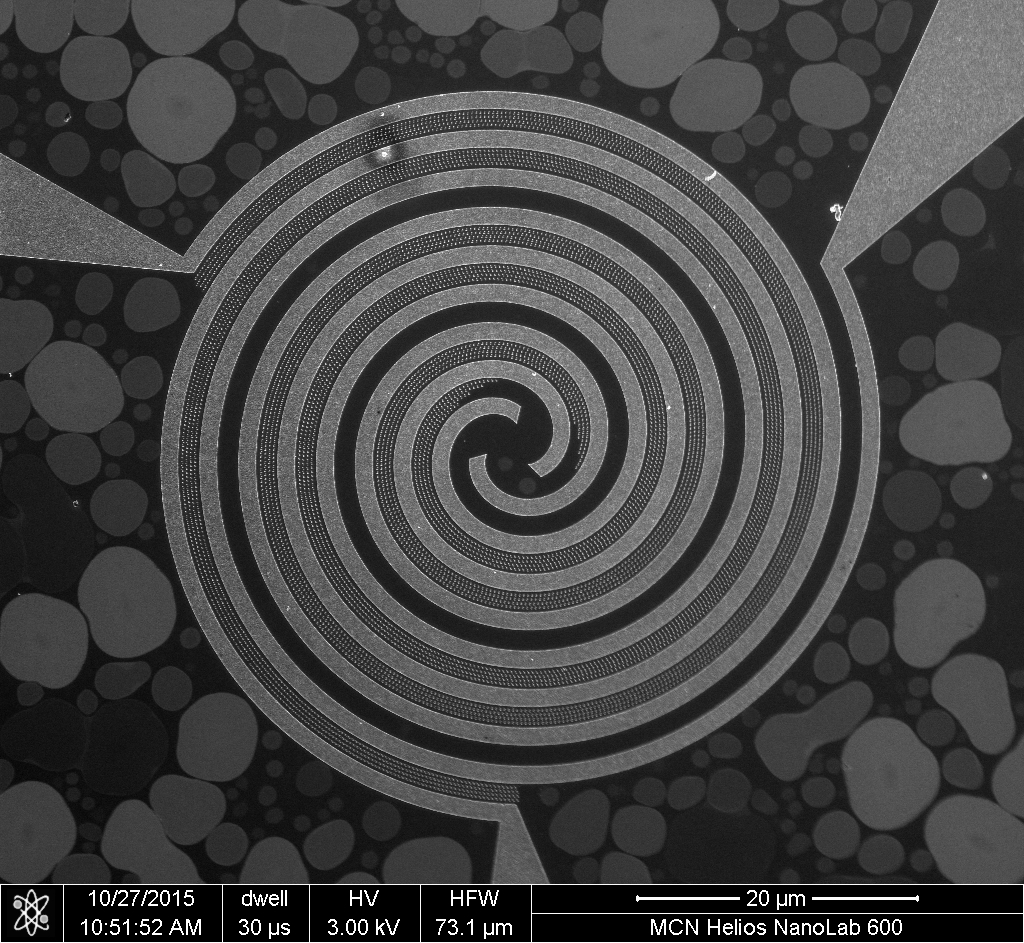
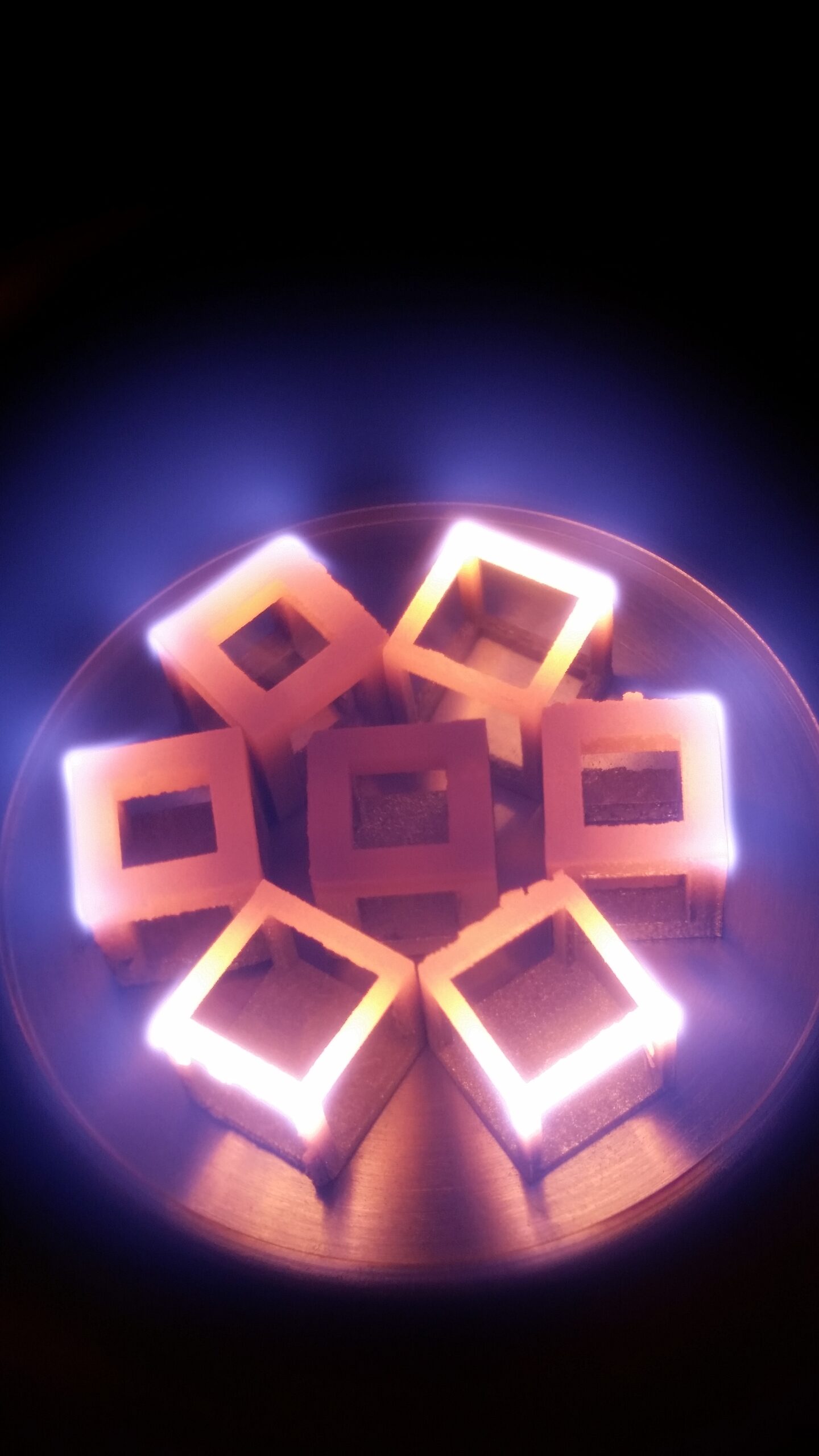

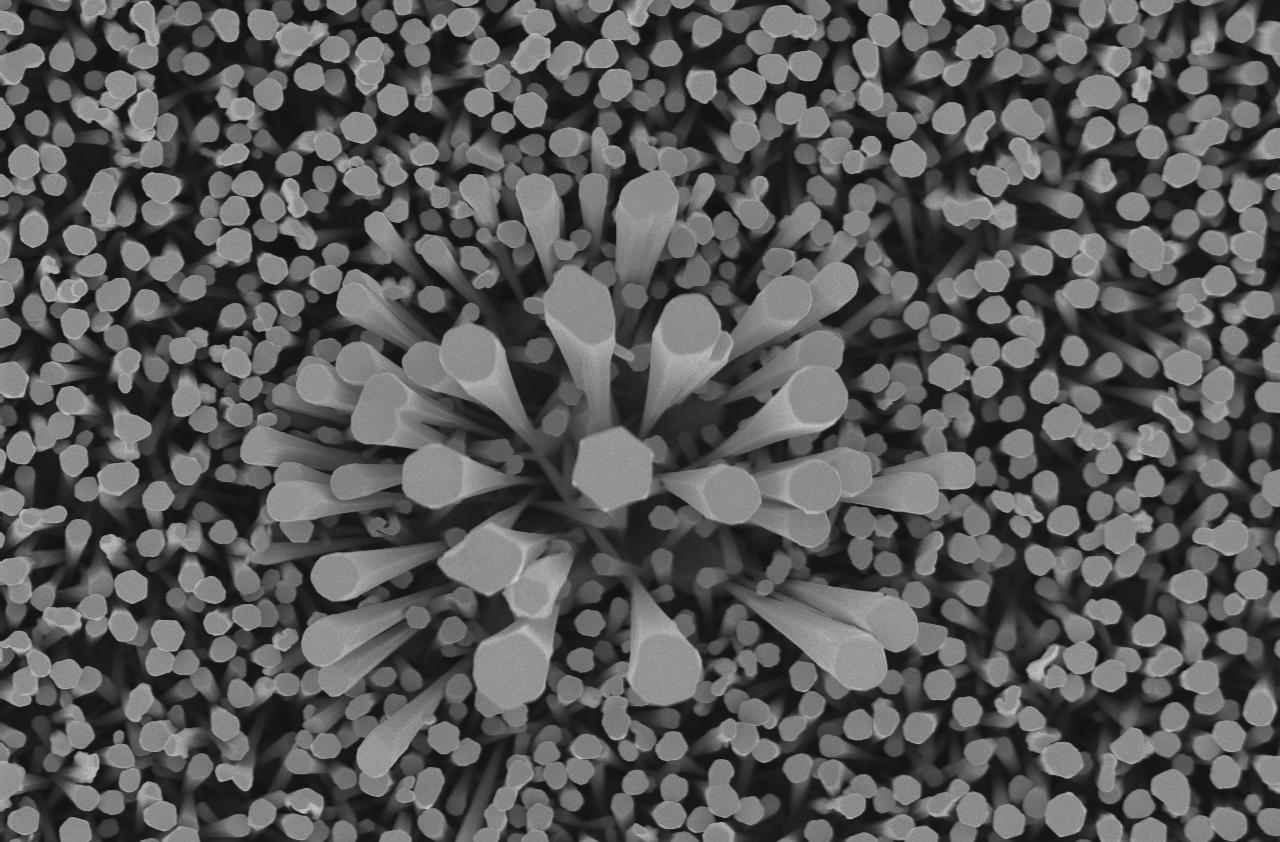
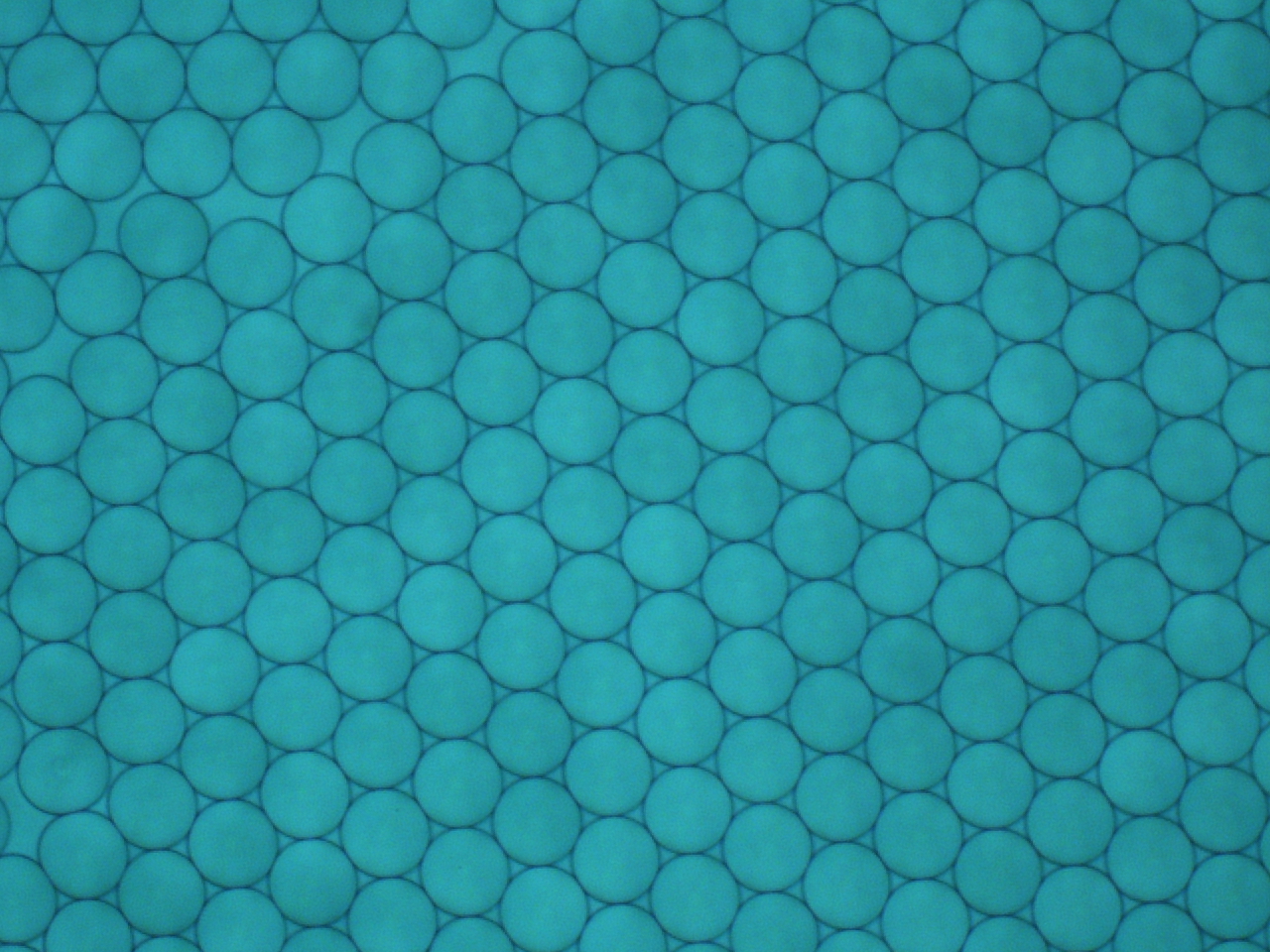
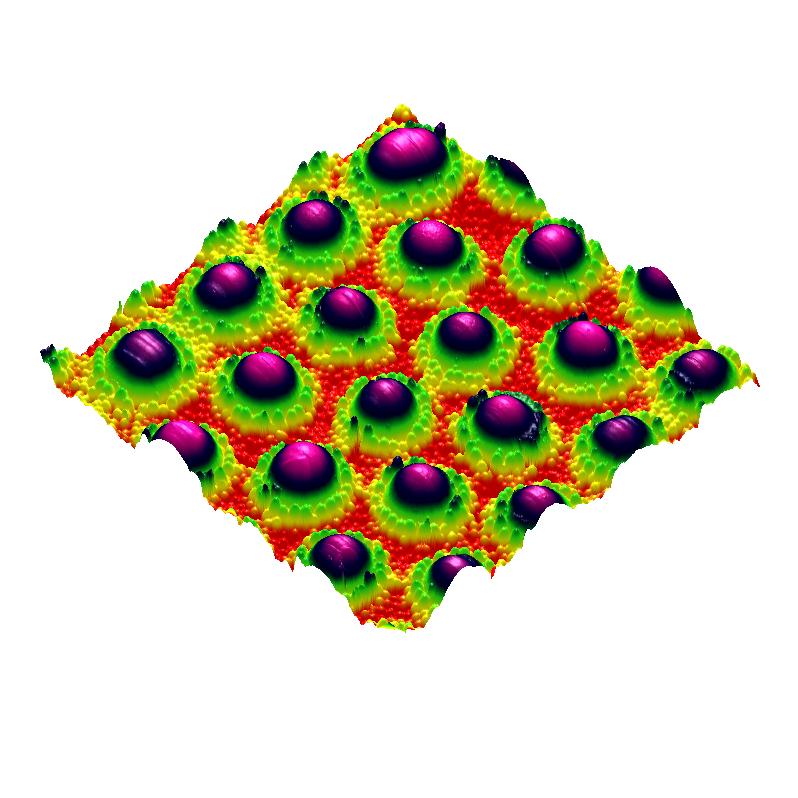
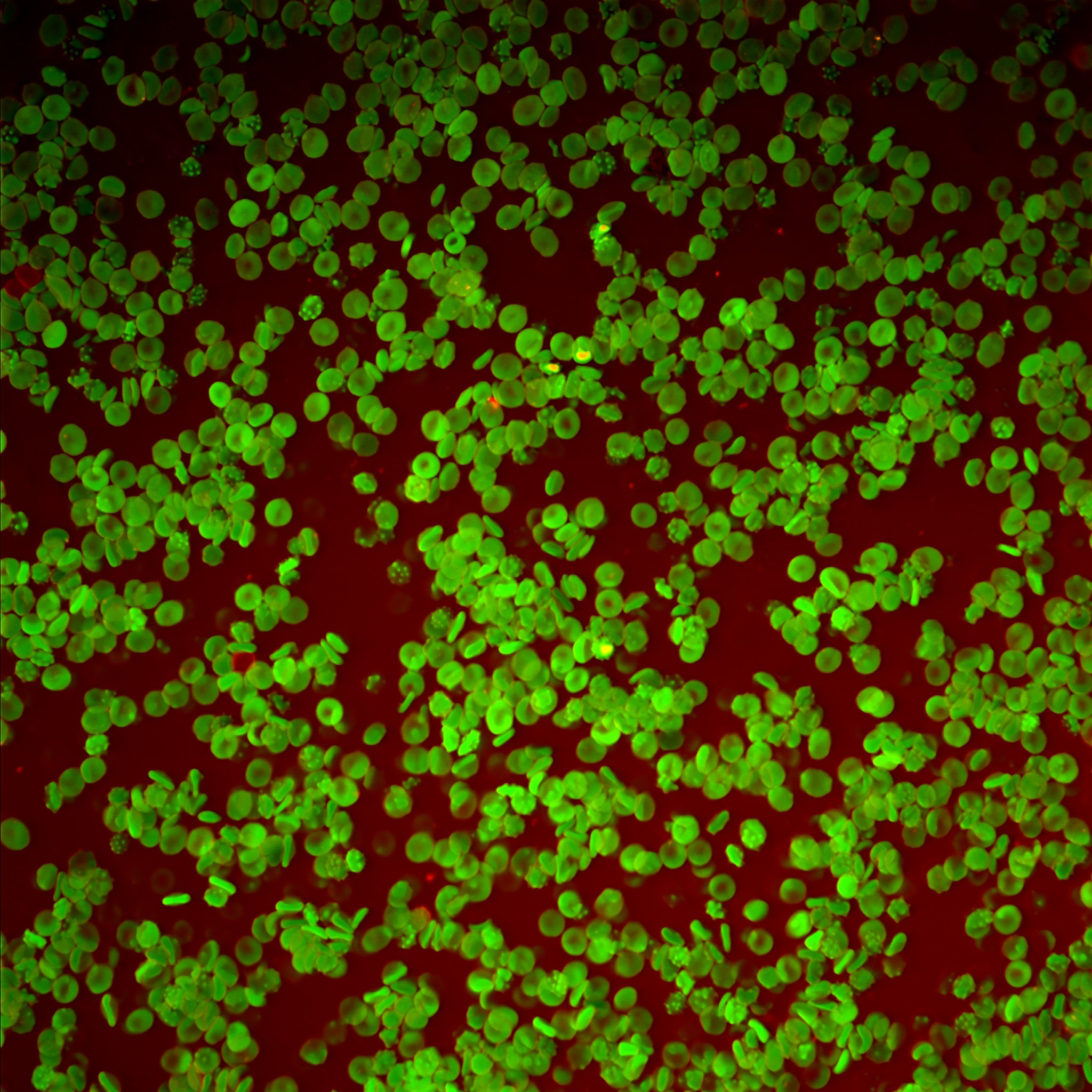


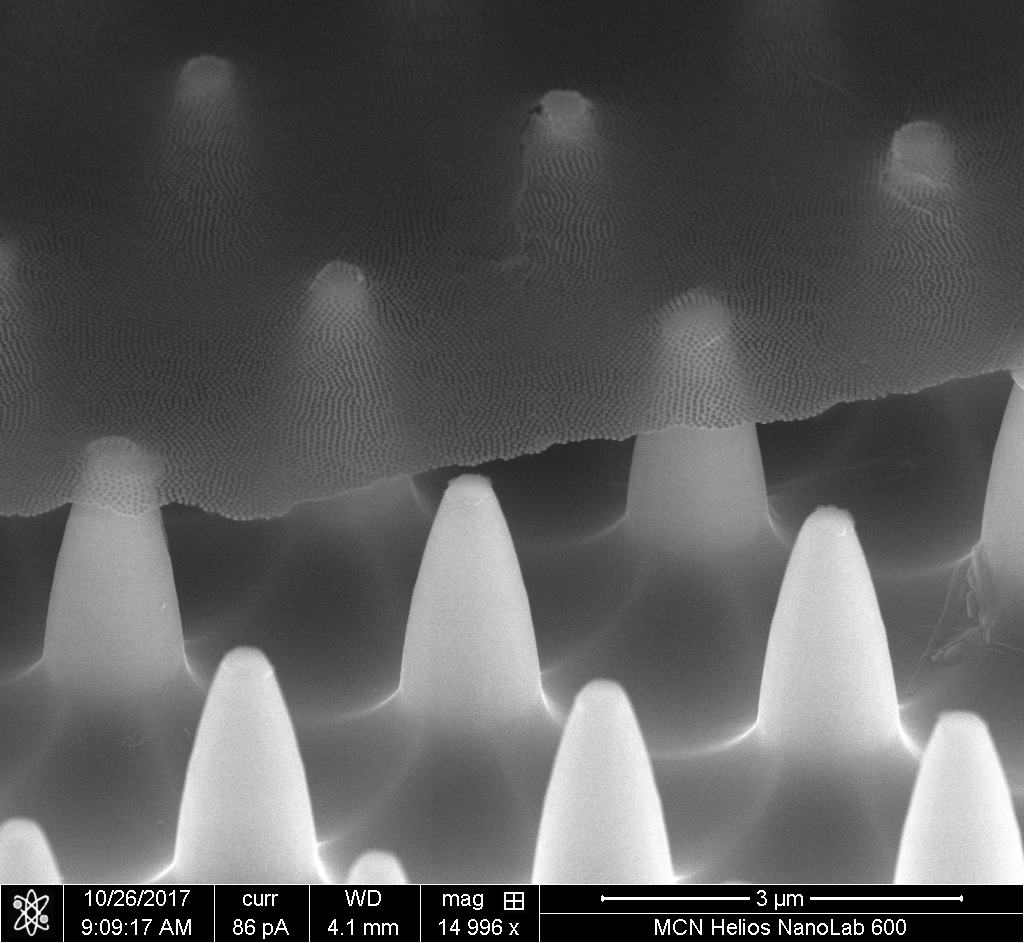
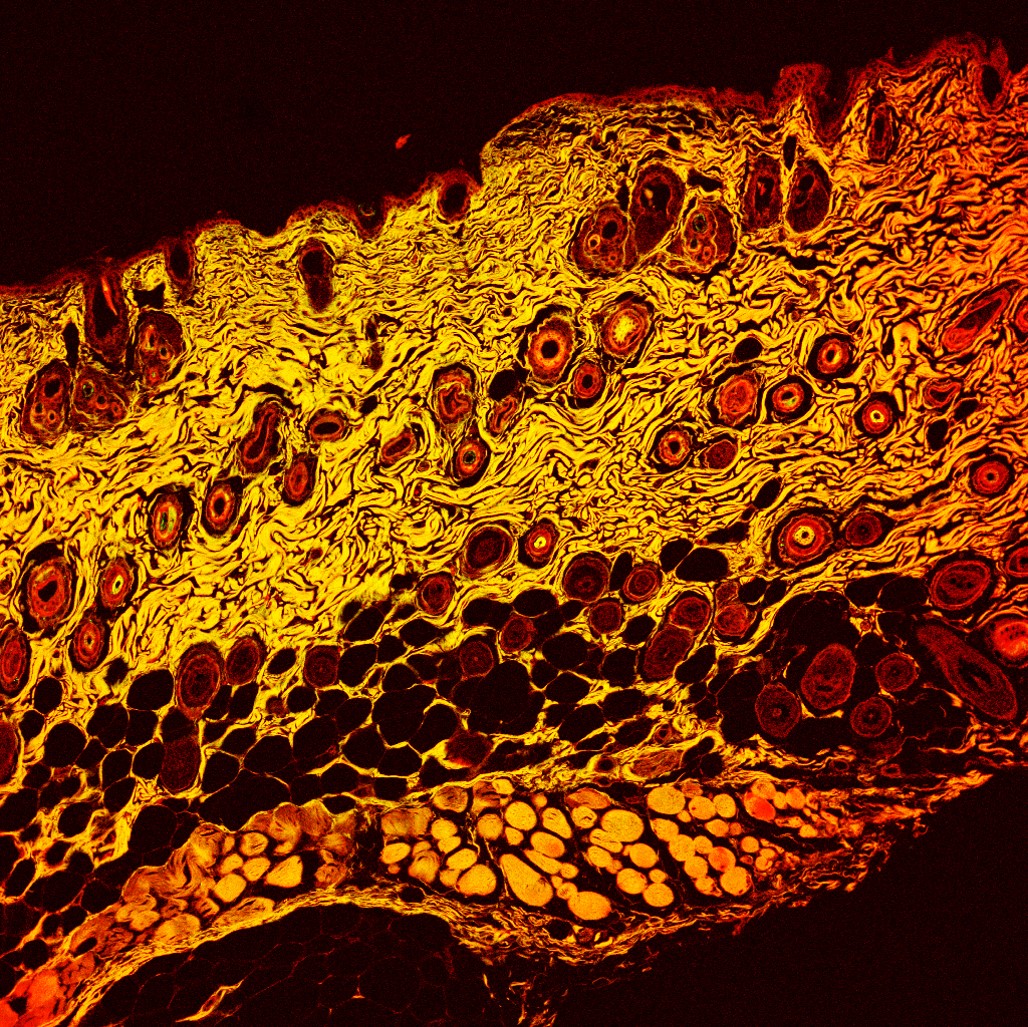
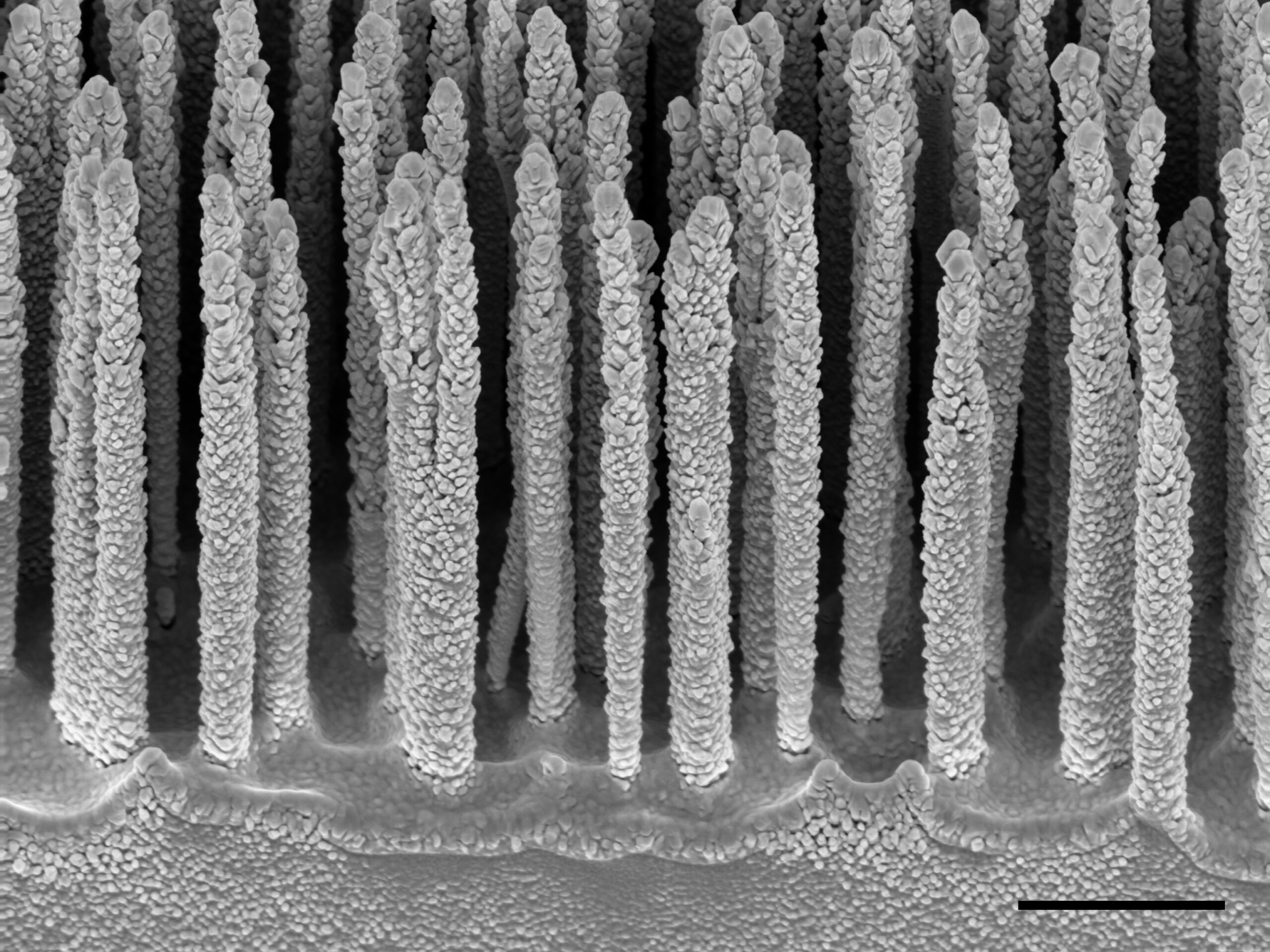
2026 ANFF-VIC Image of the Year Competition is now taking submissions!
Get those creative juices flowing! The comp winner will receive a $250 cash prize as well, recognition throughout ANFF’s media channels and featured placement on Nanomelbourne.com. Additional prizes to be given for shortlisted images.
Deadline for submissions is 30th June 2026.
See HERE for official competition rules and submission form.
Images must be print-quality/high-resolution to be considered.
As is tradition the competition will be decided by the public. Following an internal shortlisting process we will upload the images to our socials and the image with the most engagement will be declared the winner.
All ANFF-VIC users are eligible to participate and there is no limit to the number of times that you can enter, as long as the work has involved the use of ANFF-VIC facilities.
Best of luck with your entries.
Nanofabulous Seminar: Semiconductor Nanomembranes for Organ-on-Chips, Wearables & Implantable Applications
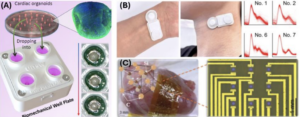
Inorganic semiconductors are the key building block for most industrial integrated circuits, from computing processors to laser modules and power converters. Engineering these materials into freestanding nanomembrane architecture enables flexibility and stretchability, opening new avenues for biosensing and biomedical applications that demand mechanical compliance with soft tissues.
This talk highlights our recent efforts to engineer nanomembrane semiconductors, including silicon and silicon carbide, for three classes of biomedical systems: organ-on-chip (for disease modeling and drug screening), wearable (for on-skin monitoring/diagnosis), and implantable devices (for invasive interventions), Figure 1. In the first example, we harness the multiphysics coupling of liquid surface tension and gas compression in nanoscale silicon cantilevers to create biomechanical well plate (BWP) arrays for autonomous, longitudinal monitoring of organoid and engineered heart tissue contractions. In the second, we integrate silicon cantilever chips with wireless, flexible circuitry to realize a miniaturized auscultation patch (AusculPatch) – recently patented technology for home-based health monitoring. This platform captures vital body sounds including respiration, pulse waves, heart sounds, and vocal cord vibrations, supporting the diagnosis of conditions such as valvular disease and sleep apnea. In the third, we advance transfer printing techniques for wide bandgap semiconductor membranes (e.g., SiC), enabling long-term implantable electronics such as robust biobarriers, stimulation electrodes, and strain sensors.
Together, these technologies establish a toolkit of semiconductor-based platforms that accelerate the transition away from animal models, enable telehealth solutions, and support chronic disease management.
Prof Hoang-Phuong Phan
School of Mechanical & Manufacturing Engineering
UNSW Sydney, Kensington, NSW 2052, Australia
11:00am, 28/04/2026
Melbourne Centre for Nanofabrication
151 Wellington Road, Clayton, 3168
Zoom link: click here
Meeting ID: 864 5917 5242 and passcode: 168689